This past period we’ve thought at length about why we waste garments we love. We hear it all the time – repair, re-configure, put a patch on it! But aren't we discarding precious clothes that are simply beyond repair – worn out, "not fresh", "gone yellow", over-washed, shrunk in the dryer etc.?
We'd like to think that quality lasts forever. But durability is a two-way street and even items with superior utility have maintenance needs. So how do we move from being a passive wearer to an active carer?
Care what you wear
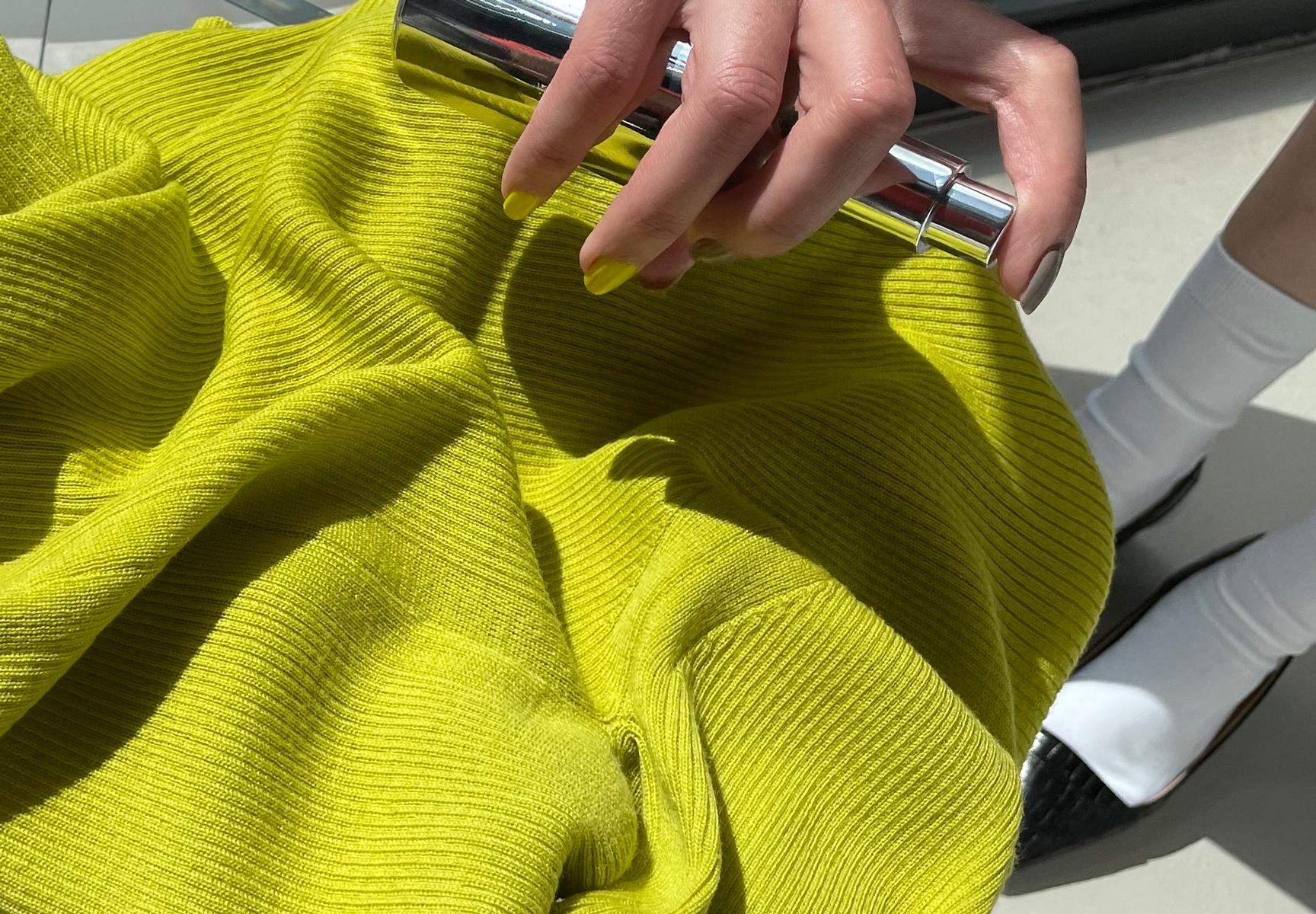
Here is the senscommon care guide. We’re here to tell you why it is not necessary to wash your items as frequently, when to wash at higher temperature, and how to get rid of certain odors without shortening your garment’s lifespan. Equally significant is the reduction of water and energy through better maintenance. We practice self-care as a ritual, so we should treat our clothing with just as much care.
We asked our community of common-sense-makers to enlighten us about their habits and know-how of garment-care. We have used their input to inform our care guide and help everyone move away from the bad habit of excess laundry by knowing their clothing and how to preserve its freshness.
Let's address the elephant in the room.
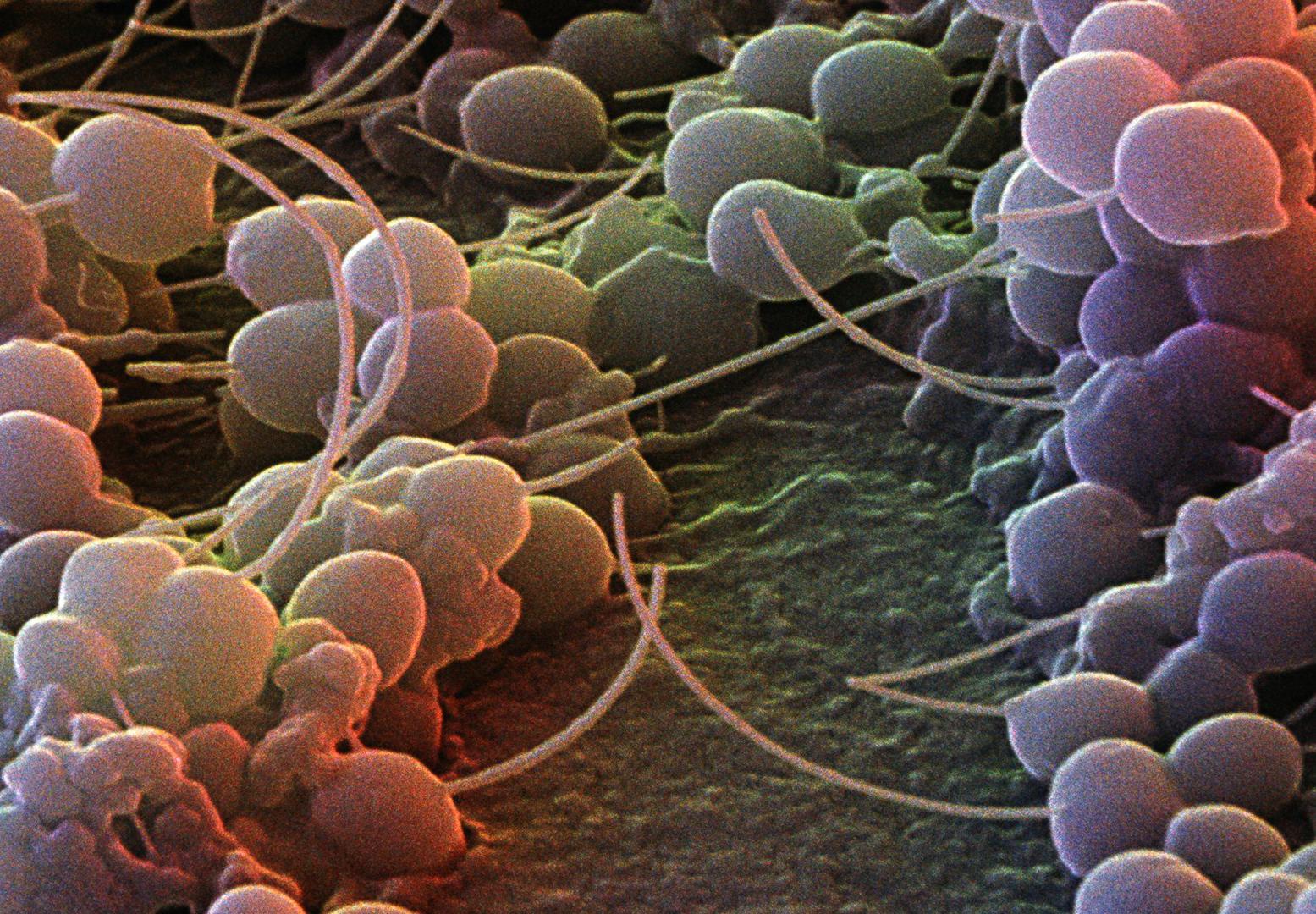
A lot of our precious garments lose freshness when in contact with our body - which releases sweat and bodily oils. What most people and even apparel professionals don’t know is that body odours come not from our bodily fluids per se, but from the metabolic processes of bacteria that live and feed off them. Our sweat contains proteins, fatty acids and sugars, which some bacteria have a taste for. In combination with moist, warm environments, these nutrients provide ideal living conditions for our microbial guests.
Some of these culprits are the Bacillus subtilis and Staphylococcus epidermidis, along with Corynebacterium Xerosis and others but those names make our tongues tie up in a knot so in this article we will call them Body Odor Bacteria, or BOBs, for short.
First things first
01 — Air before putting away: after a day of wearing your garment, it is not "dirty" but it is not exactly fresh, so it is a good idea to hang it inside out overnight in a well-ventilated place. Most odors will subside considerably due to the opportunity you give them to breathe and dry out any moisture. When you fold clothing away (or throw it into the laundry bin) that is still damp from wear, you create a welcoming environment for BOBs and fungi to grow in.
02 — Keep it natural: vinegar spritz over chemical mix - yep! Most smells from BOBs are easily removed with a bit of white vinegar and a good rinse — provided, of course, your garment is washable. Simply spray the vinegar onto the required area of the garment, let it stay for a few minutes and rinse it on cold in the machine or by hand. Pro-tip: if you end up getting one of those yellow stains from your iron or steamer, this technique should take care of these as well.
03 — Cold wash: it’s a win-win! A common myth is that if you wash at a higher temperature, this results in deeper cleaning. It is true for actual dirt and stains but not smells. It is scientifically proven that most BOBs can survive in up to 62ºC – but your precious clothes can't!
In the past, people wore much sturdier materials and could boil and sun-dry their textiles outside to keep BOBs away - and they would do so with much less regularity. Intense and regular washes shorten your clothing’s life; not to mention the environmental impact. Which is why we recommend preventing the need of heavy washing by local treatment and a cold wash.
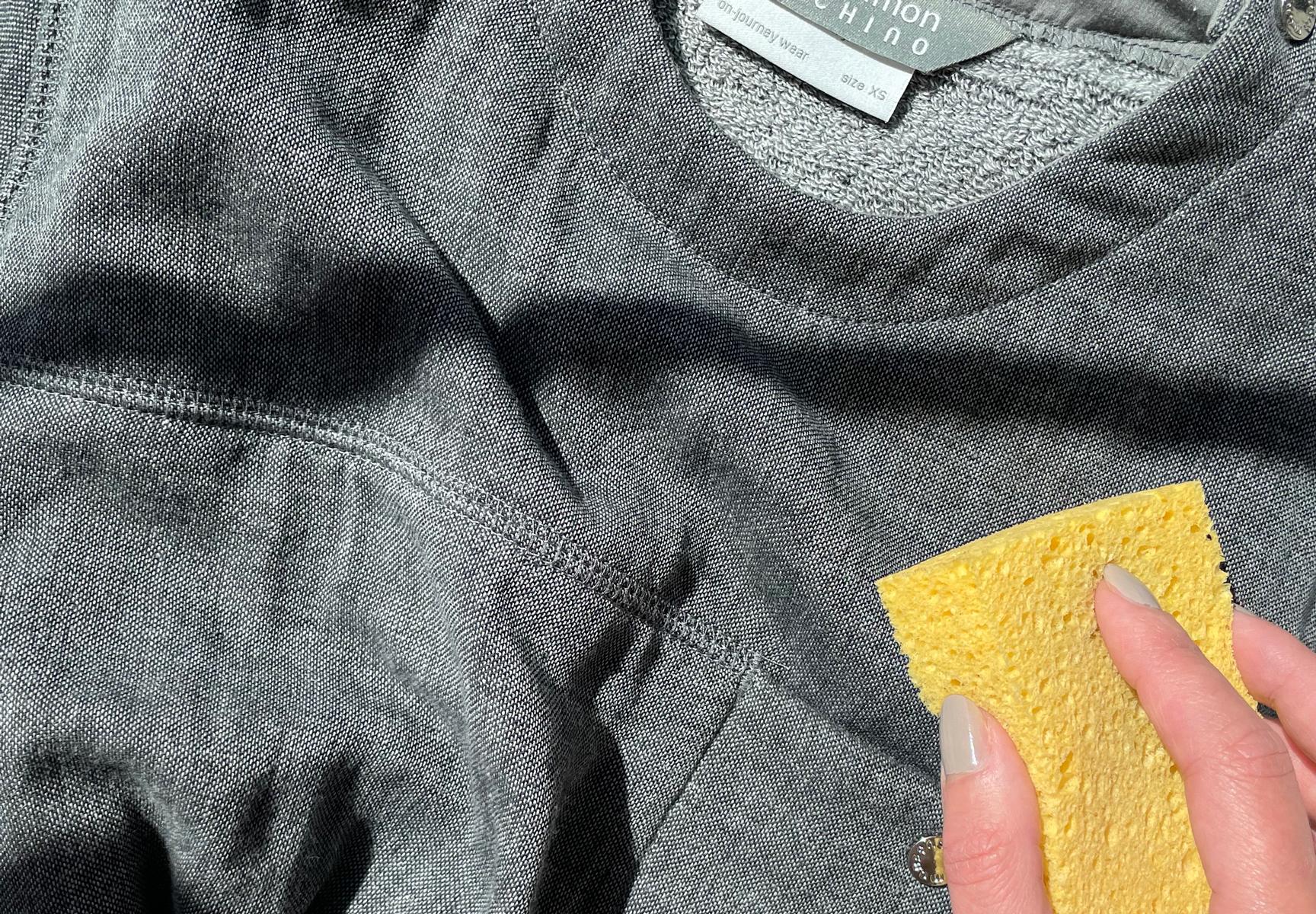
04 — Wool is hair, treat it as you would your own! You may or may not have heard this, but washing your woolen knits with shampoo gives them a refreshing boost. Hand wash, towel-roll and flat-dry your wools and they will last you a lifetime. Pro-tip: apply a thin layer of good quality conditioner after absorbing the moisture with a towel. It will make your wools super-soft and smell lush.
05 — Steam revolution: From asking our community, we learned that many use steaming as a means to keep their items fresh. As steam is normally in the 80ºC—95ºC range by the time it touches the fiber, it can be a good alternative to hot washing to rid your threads of the threat of BOBs. We recommend using filtered or distilled water in your steamer to avoid getting an unfortunate yellow spit on your whites. If those do happen, refer back to step 02 above.
06 — Storage matters: when you won’t be wearing something for a while, how you store it will make a difference. Always pre-clean and store your clothing in vacuum bags. This way if your house attracts unwanted visitors such as moths, your clothing will be fresh and out of reach. Fun fact: moth larvae are the trash pandas of the insect kingdom and only feed on BOBs in your clothes.
07 — This is a big one: trust the science! Innovation and especially bio-chemistry is constantly enabling progress - textiles are no exception. By bio-chemistry we mean treatments that can be applied during dyeing processes or during wear to enhance a material’s performance — mainly to prolong its lifetime and use by reducing their maintenance. Pss pssst, actually such a solution by senscommon is on its way too, so watch this space!
08 — Prioritise low-maintenance fibers: your average cotton, linen and silk require more effort and energy from you and the planet than smart alternatives including wood-pulp based materials and wools. These are some fibers which are naturally or scientifically enhanced to be antibacterial, so to filter themselves of odour and humidity. As we have mentionned before, lyocell (we use the Tencel™ brand in our products) requires up to five times less energy for maintenance than cotton.