Senscommon founder Laura has been building something the fashion industry has no category for - minimalist, purposeful pieces that combine the want with the need, ideated from smart textiles outwards.
In conversation with the founder
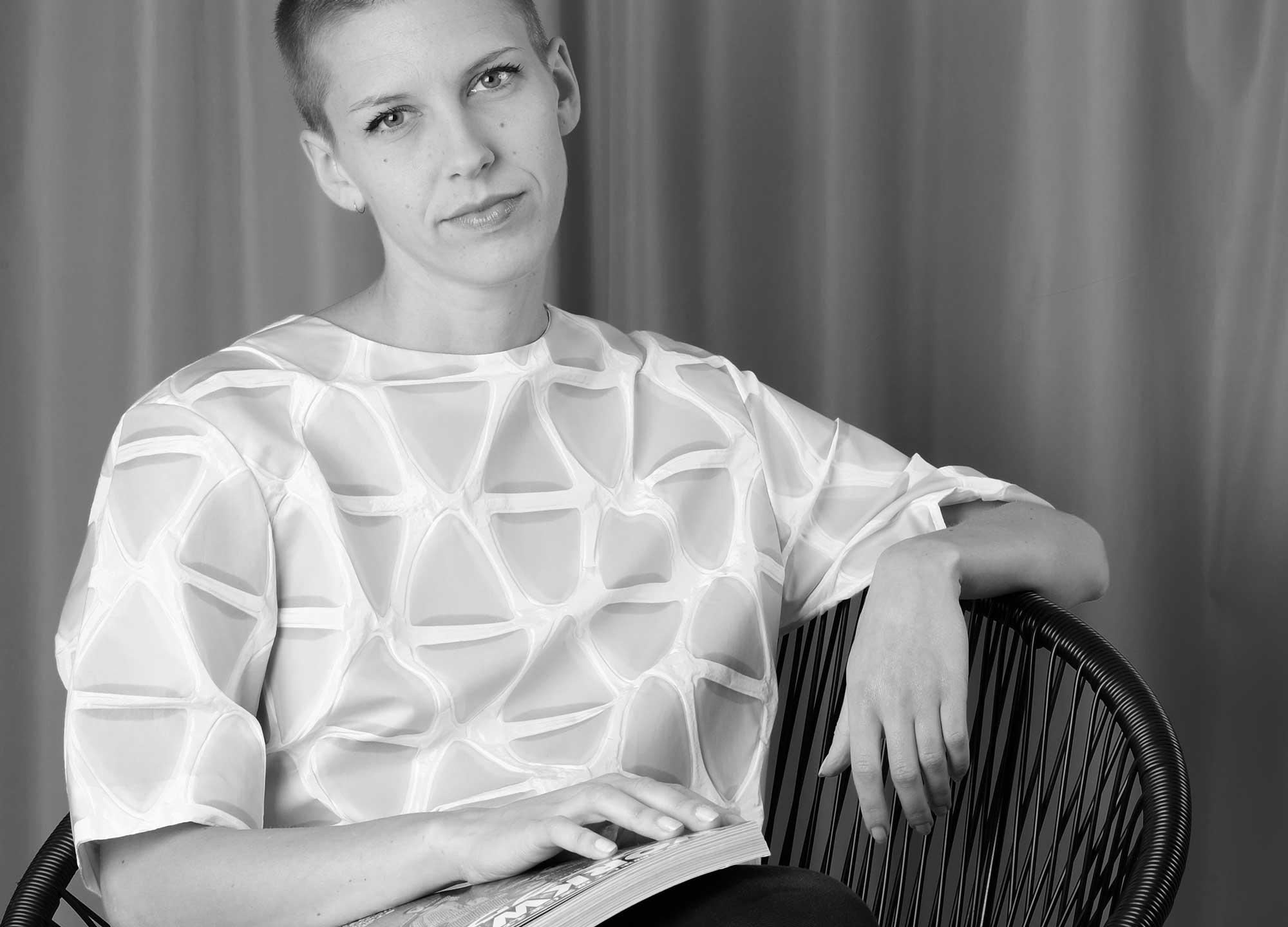
What is the mission of senscommon?
The world does not need more clothing. It needs better.
I design around the idea that innovation can be invisible - felt before it is understood. With senscommon, I want to show the positive impact that truly optimised clothing can have on your daily life - improving physical wellbeing, extending the life of your wardrobe, and asking less of the planet in return.
I release products when they are ready and have earned their reason for existing. Every piece has to justify itself - not through trend or novelty, but through genuine purpose. I believe in creating a new tier - all-gender, non-seasonal, in-between pieces that don't fit any standard category, but fit into any wardrobe and any life.
What drove you to start senscommon?
While working for the most flamboyant end of fashion - the haute couture houses of Alexis Mabille and Viktor&Rolf in Paris and Amsterdam - I was always struck by the same thing: nobody took materials seriously. Aesthetics, yes. Performance, never.
I left to combine my passion for material science with the uncompromising craft I'd learned in those ateliers. I ideate from textiles outwards, making innovative solutions with seemingly minimal gestures. I find the idea of everyday couture genuinely exciting - not a contradiction, but a new idea.
I am a material nerd, and I believe the future of clothing lies in smart fibres and new genres of clothing. It does not have to be about heartbeat-readers or the literal tech in your clothes - innovation can be invisible, and therefore improve how we experience the world. Smart textiles that are self-cleansing, thermo-regulating, or stay-dry, for example, can really influence what we expect from clothing and their lifespan. You'd be surprised, but the smartest materials are natural!
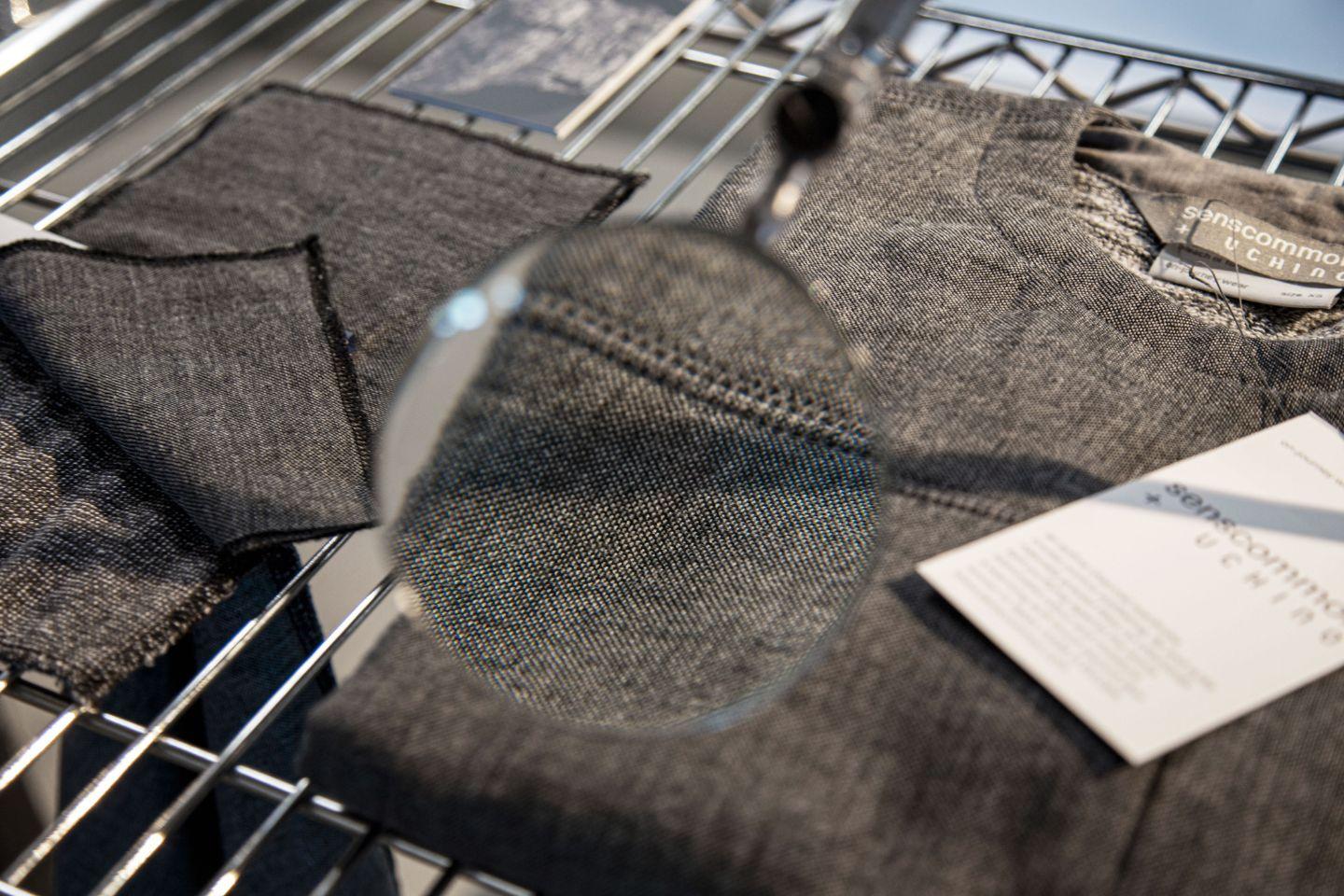
This is why the collaborators I choose matter as much as the materials themselves. Lenzing's Tencel™ is my most versatile partner — a fibre derived from sustainably sourced wood pulp that brings breathability and low-maintenance performance to everything from our socks to outerwear. Uchino knead activated charcoal directly into their textiles, giving fabrics genuine self-cleansing capabilities without chemical treatments. And Seaqual™ works with fishermen and coastal communities to pull marine litter from oceans and transform it into yarn. Amni Soul Eco® goes further still — a biodegradable synthetic that breaks down in landfill within years, almost unheard of in its category. These are not marketing partnerships. They are the kind of material intelligence that makes a garment genuinely worth making.
Who is senscommon for?
I call them the ‘go-getting, hard-working, optimistic’ types - like myself - whose passion is profession which knows no hours. It is a discerning audience curious about technology, design, culture, and health, as they seek solutions for higher living standards.
What makes senscommon different from other brands?
There is enough decorative, poorly made things on this planet already. What you choose to buy new has to justify its existence. And everything else can be bought second hand.
To find that justification, I listen and research how people actually live. Modern-life routines are often as demanding as a mountain hike - yet the clothes we wear are not adapted to this at all. Like our devices, our clothes need to be increasingly versatile, compact, and built for a longer battery life.
senscommon exists to show that clothing can be intelligent and assist us in this ever-changing world - without looking technical, without looking like gear, and without compromising on the kind of quiet beauty that makes you reach for something every single day.
What is your ultimate goal, when are you satisfied?
I sometimes feel like a fashion doctor - trying to protect people and clean up an industry that has lost its way. While the impact of one brand remains limited, I believe deeply in the power of information to change behaviour.
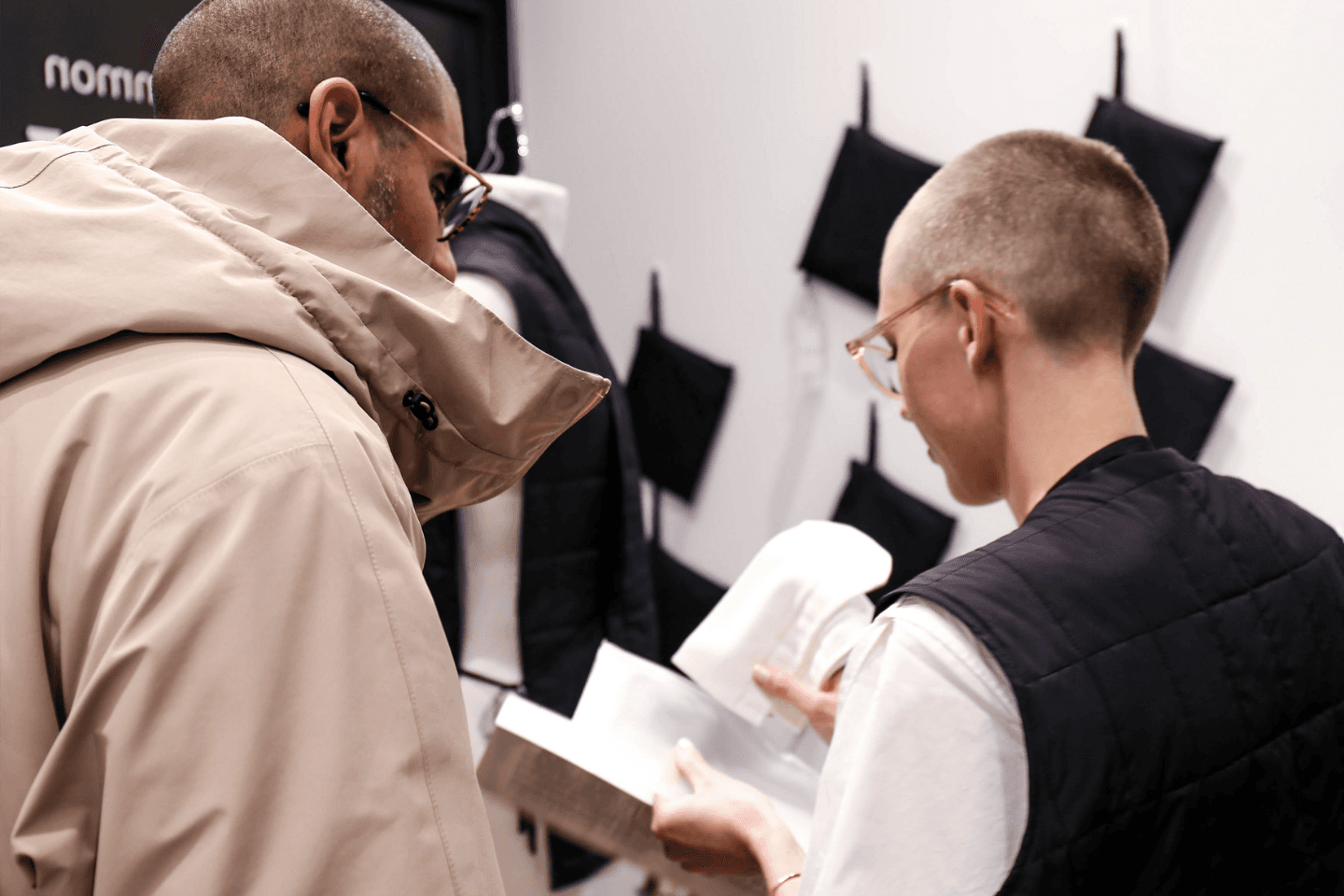
That is why education is as much a part of senscommon as the products themselves. Sharing my knowledge of textiles and responsible design - whether with clients, students, or anyone curious enough to ask - often leads to real behavioural change, or at least an eye-opening moment. I would love to do more of this: talks, workshops, collaborations with institutions that care about the future of design and consumption.
Ultimately, I am satisfied when someone understands something they didn't before. That feels more lasting than any single sale.
Care is the only way forward.