Synthetic fibres are engineering at work: strength without bulk, stretch without restriction, performance that keeps up with the body. They make techwear what it is. The problem? That performance and reliability are exactly what stand in the way of decomposition when a garment is discarded. Conventional synthetics can persist in nature for decades, and some coated synthetics for centuries.
At senscommon, we believe the ecological answer cannot simply be to stop using every synthetic fibre. It’s much more tempting to develop synthetic fibres that behave better at the end of their life.
This is where Amni Soul Eco® polyamide comes in.
Techwear with a lighter footprint
A synthetic fibre with a different end in mind.
Amni Soul Eco® is a polyamide 6.6 yarn developed through research by the Solvay Group and produced by Fulgar (Italy). Unlike conventional polyamide, it has been engineered with a technology that accelerates biodegradation under specific environmental conditions. That distinction matters.
The fibre is designed to behave like a high-performance polyamide during its useful life, while making it easier for microorganisms to access the polymer structure once it reaches certain end-of-life environments.
In a landfill, decomposing organic waste gradually uses up the available oxygen, creating conditions where certain microorganisms can break down materials. Amni Soul Eco is designed to biodegrade faster in these oxygen-poor conditions than conventional polyamide.
In other words: the technology is designed to remain inactive while the garment is doing its job, and become relevant when the garment reaches a specific disposal environment.
Performance doesn't have to disappear
One of the most interesting aspects of Amni Soul Eco® is that biodegradability has not been achieved by simply compromising the characteristics that make polyamide useful.
Fulgar describes the yarn as lightweight, with moisture-management properties and the typical performance characteristics of polyamide 6.6. It can be used across applications including sportswear, swimwear, underwear, legwear, denim and athleisure. Fulgar also states that colour fastness and dyeing performance are comparable to virgin polyamide. This is exactly the kind of material innovation we believe deserves more attention.
A more sustainable material does not necessarily have to mean accepting less performance, less comfort or less durability. Sometimes the better solution is to change what the material does at the end of its life.
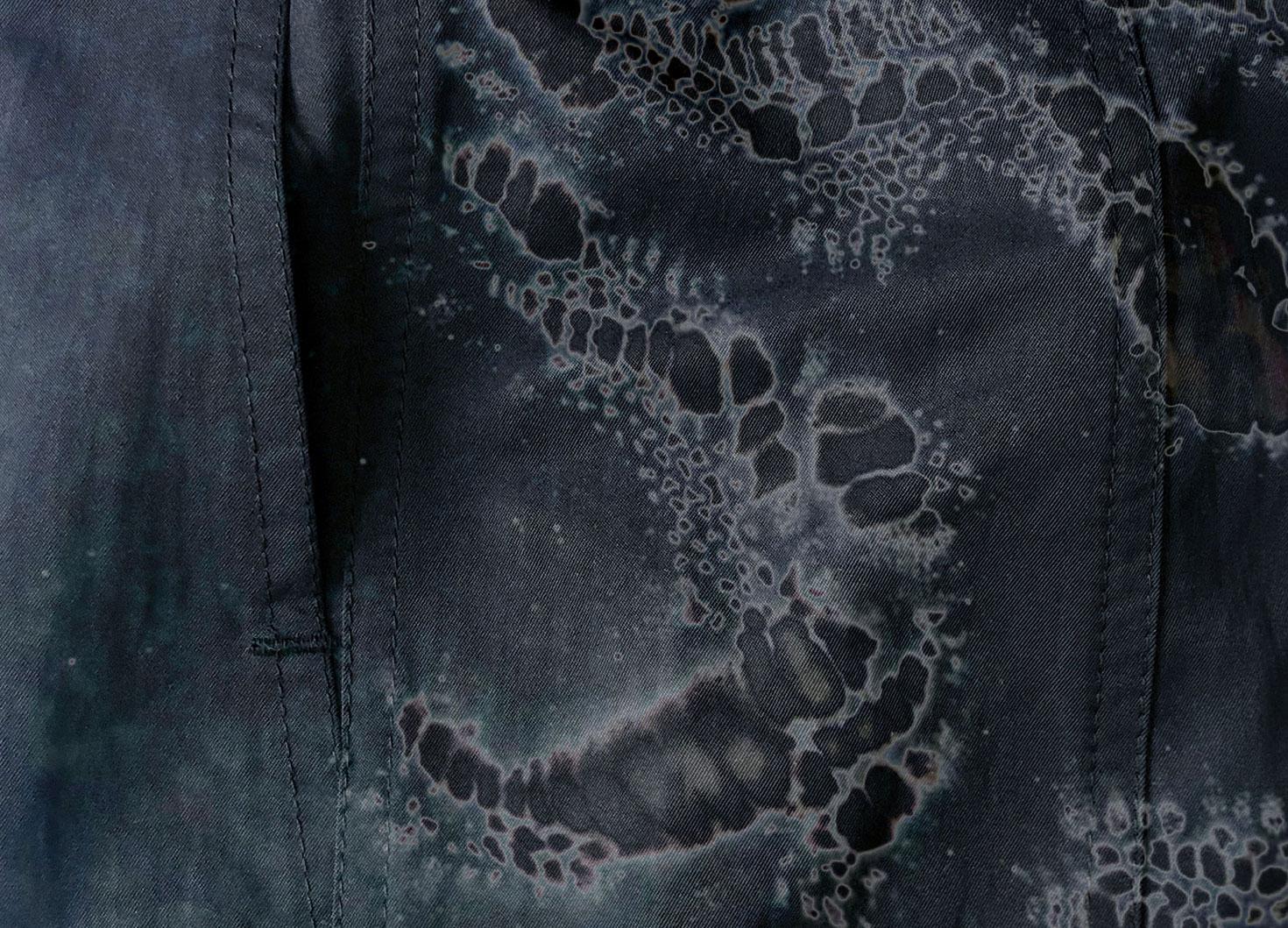
How fast can it disappear?
We searched for a material that delivers the performance we expect from technical clothing, without all the guilt. Amni Soul Eco® caught our attention because it tackles the impact of synthetic fibres at the material level.
Developed to biodegrade faster than conventional polyamide under specific conditions, it has shown up to 10 times faster biodegradation in oxygen-poor landfill conditions. Tests also indicate that its microfibres can degrade up to 20 times faster than conventional polyamide microfibres in a marine environment.
The technology works under specific conditions, not just anywhere a garment ends up. For us, it's a step towards everyday technical clothing that feels good to wear, performs when you need it, and lets you feel a little better about your choice.
Material science should become common knowledge
At senscommon, we believe material science should not remain a subject reserved for textile specialists. The fibre inside your clothing affects how it feels against your skin, how it performs, how long it lasts, how it should be cared for and what happens to it when you are finished with it. That is why we want to make these subjects part of everyday knowledge.
A fibre can be engineered for what happens while you wear it, and for what happens long after. That’s the thinking behind our : lightweight, low-maintenance and built for movement, with breathable, quick-drying enhanced polyamide 6.6. Made with Amni Soul Eco®, they bring invisible performance and a different end-of-life story into one everyday garment. Less fuss in your wardrobe, more thought in the material.
The future of textiles will not be built by one fibre alone. It will come from better materials, better manufacturing systems, better business models - and consumers who understand enough about materials to demand better choices.