At senscommon each product is carefully considered, from fiber performance to the tactility of materials, evoking a sense of ease and purpose. In our Science Matters features we take you deeper into the science behind the materials we work with. We explain the senscommon design approach, its building blocks: we start at the material level and build from there - source by source, fiber by fiber.
Tencel™ - engineered wood pulp over traditional fibres
Our innate appreciation for natural materials and functionality come together in one extraordinary lyocell material carrying the brand name Tencel™. In contrast to conventional cotton, this lyocell fiber is produced with pulp from sustainably grown eucalyptus trees or other woods that grow fast and with little water.
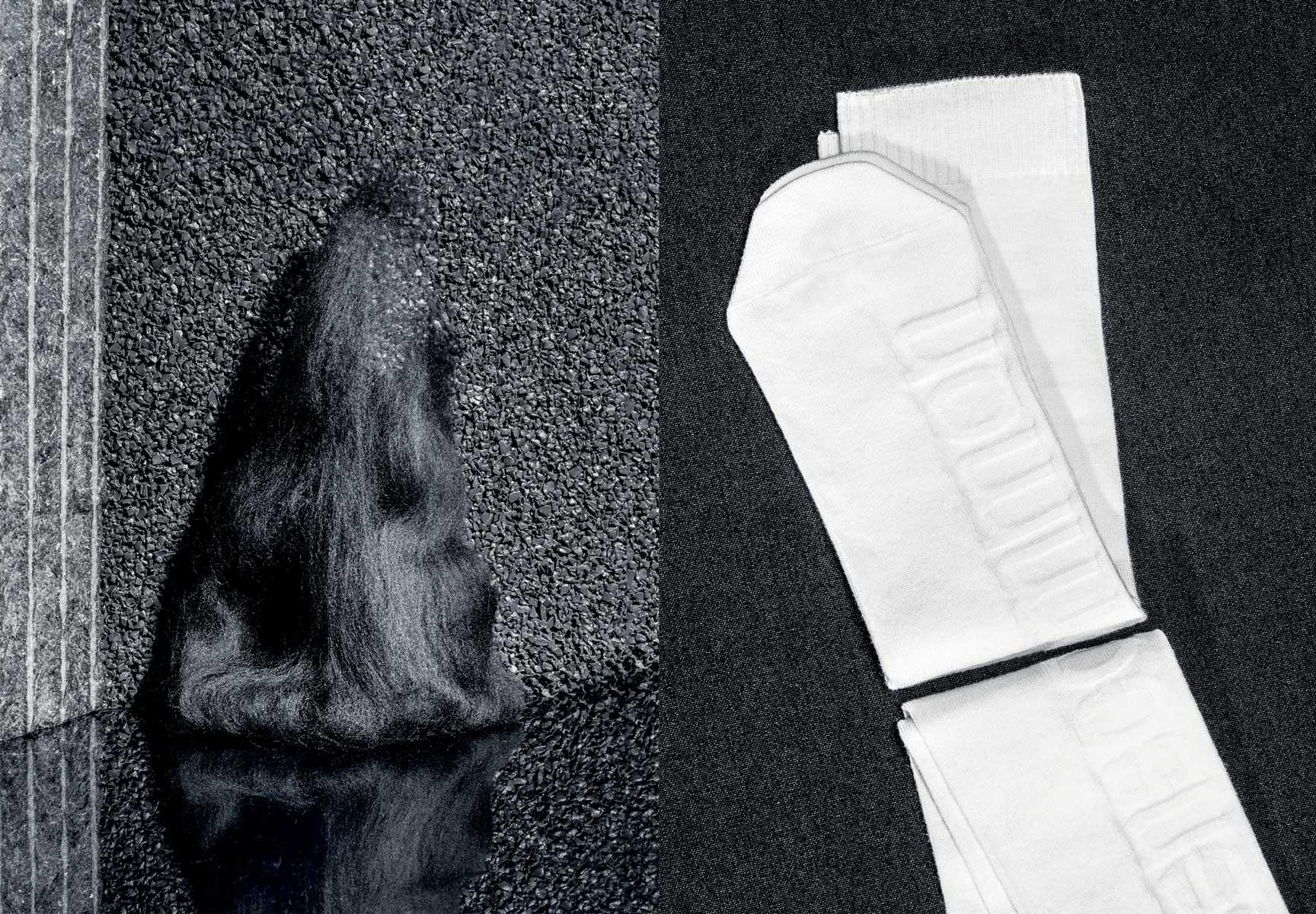
An earth-friendly fiber that is added to the senscommon rotation not only as the most sustainable choice but also for its functional properties – to meet our most demanding comforts. Tencel™ fibers absorb moisture and tend to transport it away from the skin, offering cooling effects while giving bacteria and odour no chance to hold. That also means more wear and less washing for your garments. Since we unlocked this data, we developed the most disposable of items – from this stunning smart fiber. You can wear them multiple days before feeling the need for a wash.
Numbers speak the truth.
Lyocell is our favorite and is the same plant-based fibre as viscose and modal, but it is processed using an organic solvent to extract the cellulose from the wood and is spun using jet-wet technology. This solvent-spinning process recycles process water and reuses the solvent at a recovery rate of more than 99%.
The Austrian firm Lenzing, a partner of senscommon, goes a step further by only making their lyocell, branded as , from sustainably managed forests of fast-growing eucalyptus trees. Eucalyptus trees can thrive on land that is not fertile enough for food crops. It’s a hearty tree that grows quickly, requires no irrigation, no treatment with pesticides, and no fertilizer. Needing 20 times less water than cotton, you could say eucalyptus grows like a weed – a very helpful weed.
Overall this fibre is much less toxic. Production of lyocell is short. It takes about two and a half hours from chopping the wood down to the carding. Thus, compared to the production of other man-made fibers it uses less water and energy. Consumers can have the assurance that their fashion choices are not contributing to an adverse impact on the environment.
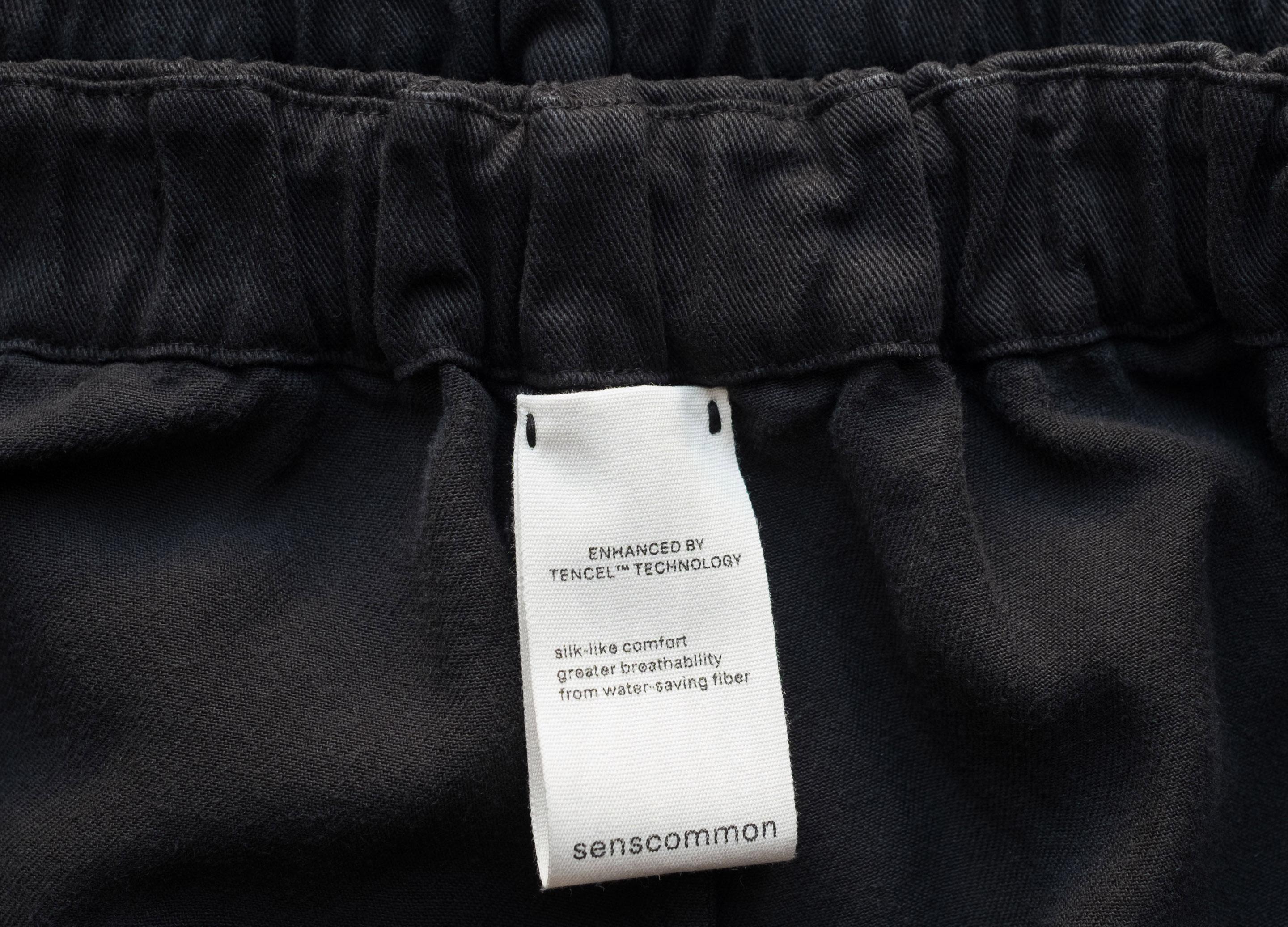
Once you're done with your Tencel™ lyocell garment, it naturally composts, putting less strain on the environment where all our clothes eventually end up – the landfill. senscommon is here to support circularity-oriented innovation like this man-made fiber. We hope you do too.
Why is Tencel™ not too common?
Here's the scoop: The so-called preferred fibers like Tencel™ lyocell only match 6% of the fiber market share. If it weren't deemed a bit "unstable" in industrial terms, this fiber would have already replaced cotton, which holds 58% of the market share in 2022. Material stability is a concern for producers as challenging fibers demand more time, attention, and corrections, which anyone along the supply chain tries to avoid. You try to minimize claims and returns, crucial in a business where income relies on the quantity of pieces produced. This is precisely why the apparel market still relies on fibers like cotton, blends of cotton and polyester, or plain polyester – these evil fibers are super stable throughout the entire production process, from weaving to dyeing, sewing, and washing.